Tirzepatide Research: What Happened to People
What Tirzepatide changes and what studies checked
Made as a 39-amino-acid chain, tirzepatide is a weekly shot. Your body uses amino acids as small parts your body joins to make proteins. This page tells you what the drug changes and what each main study found.
Tirzepatide copies both hormones in 1 shot. They help your body release insulin after you eat. Older drugs of this kind copy 1. Large studies found bigger drops in blood sugar and body weight with tirzepatide.
One set of studies followed people with type 2 diabetes. Another followed people with obesity. Newer work covered heart failure, sleep apnea, and liver disease. A paper number sits beside each finding. You can compare those group findings with your own health.
What is Tirzepatide and what did early tests find
In the lab, tirzepatide is made as a 39-amino-acid chain. Your body uses amino acids as small parts joined to make proteins. Scientists added 1 fatty part that helps the drug stay in your blood [1]. Your body takes about five days to clear half the medicine, making a weekly shot possible [13].
In 2018, the first paper described tests in cells, mice, and people. In mice, the drug helped send out insulin as blood sugar climbed. It also lowered blood sugar, food intake, and body weight farther than a drug copying 1 gut hormone. A first small human study, called phase 1, included 142 people. They were healthy adults or adults with type 2 diabetes. Their weight and fasting blood sugar fell farther than with placebo, which contains no tirzepatide [1]. Your body may respond differently.
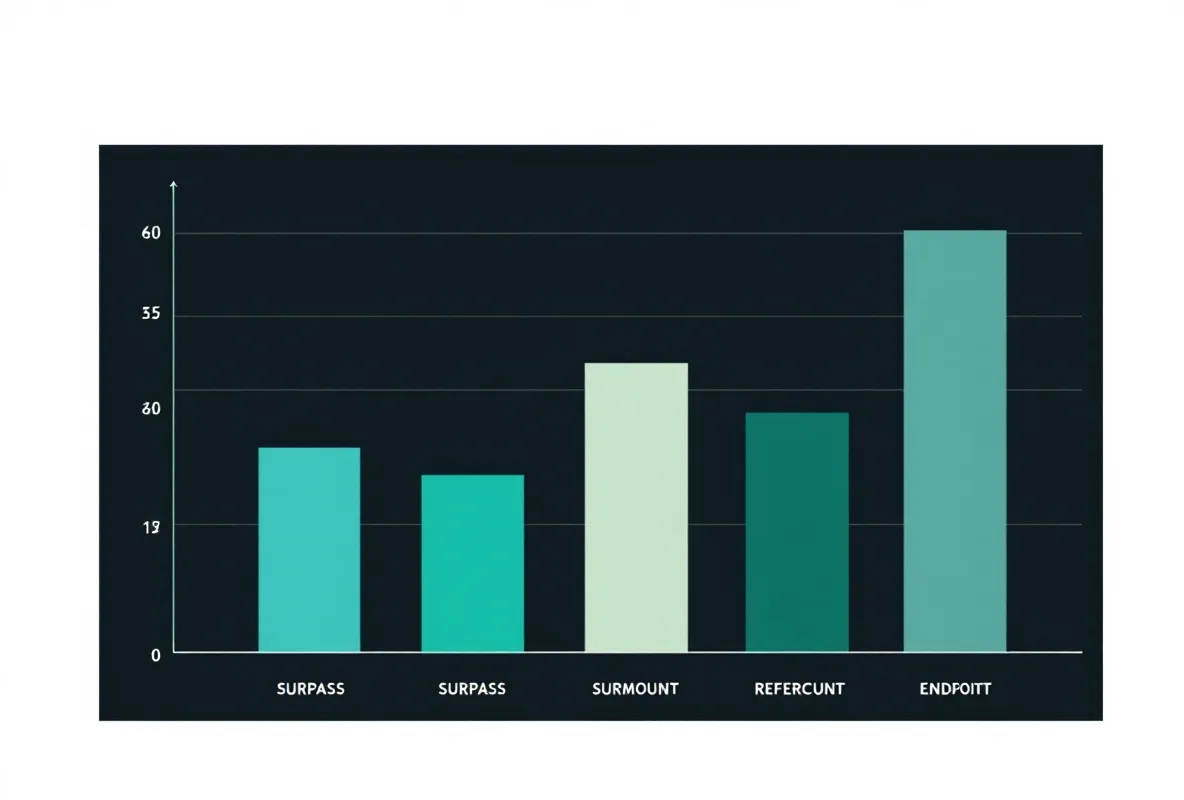
What Tirzepatide does after you eat
Your gut releases two hormones after you eat. They help your body send out insulin as blood sugar rises. Tirzepatide copies both, while older drugs copy 1 [1][2].
In 2020, scientists tested tirzepatide on cells in a dish. They found 1 hormone action had more force than the other. Insulin-making cells with 1 main job gave a larger response when both actions worked together [2]. This may help explain how the drug acts. It can't show what your body will do.
In 2025, a review asked what 1 hormone adds. Its action in the brain may curb hunger and ease nausea. In body fat, it may help store fat away from organs and help insulin work [10]. The review offers 1 reason for greater weight loss, but it doesn't settle the question.
Both hormone actions help your body release insulin when needed. They lower another hormone that can drive sugar upward. The combined drug also makes food leave your stomach more slowly and may reduce hunger [1][2][10].
What Tirzepatide changed for people with type 2 diabetes
The diabetes research included five large studies in people with type 2 diabetes. It also looked at heart and blood-vessel trouble.
The direct study SURPASS-2 lasted 40 weeks and included 1,879 people: Tirzepatide was given once a week at 5, 10, or 15 mg. Semaglutide was given at 1 mg. The blood test for average sugar fell by 2.01, 2.24, and 2.30 points. It fell by 1.86 points with semaglutide. The study first asked if tirzepatide worked at least as well. All three doses met that mark, then brought larger drops. Average weight fell −7.8, −10.3, and −12.4 kg, against −6.2 kg. Stomach and bowel trouble was most common and mostly mild or fair [3].
A longer study called SURPASS-4 tested insulin glargine: This is a long-acting insulin. At 104 weeks, the average-sugar test fell −2.3%, −2.5%, and −2.6% at 5/10/15 mg. It fell −1.0% with insulin glargine. Weight changed by −7.6, −10.0, and −11.4 kg, against +2.1 kg. Low blood sugar was less common with tirzepatide [11].
A 2026 second look at SURPASS-2: The team counted how many people met at least 3 health goals. The goals covered an average-sugar test under 7% and blood pressure under 140/90 millimeters of mercury, the standard cuff unit. They also covered bad cholesterol under 1.8 mmol/L, meaning millimoles per liter, and weight loss over 10%. At 5/10/15 mg, 42%, 53%, and 57% met the usual set. Semaglutide reached 34%. A stricter set was met by 15%, 20%, and 29%, against 8% [12].
A 2025 review of 16 studies and 5,997 people: Tirzepatide lowered the average-sugar test by 0.45 more points [9]. The paper's 95% range, its best span for the true result, supported a real edge, though the studies did not all work the same way. Your own blood sugar and weight may move by another amount.

What Tirzepatide changed for weight and other illnesses
The weight study SURMOUNT-1 followed 2,539 adults for 72 weeks: They had obesity without diabetes. No one knew who received tirzepatide or placebo, which contains no drug. Their height-to-weight number was at least 30, or 27 with another weight-linked illness. At 5, 10, and 15 mg each week, average weight fell −15.0%, −19.5%, and −20.9%. The placebo change was −3.1%. More than 89% at 15 mg lost at least 5%, and 56% lost at least 20%. Stomach and bowel trouble happened most often as doses rose [4].
The direct weight study SURMOUNT-5 followed 751 adults for 72 weeks: They had obesity and did not have type 2 diabetes. Each person knew which drug was given. Each received the largest amount they could handle for 72 weeks. Average weight fell −20.2% with tirzepatide and −13.7% with semaglutide. More people on tirzepatide reached losses of at least 10/15/20/25% [5].
A phase 3 study of moderate to severe sleep apnea: This was a large late test. Sleep apnea makes breathing stop or slow many times during sleep. Tirzepatide cut the number of those breaks each hour [35]. The FDA then approved it for this use.
A heart failure study: In 2025, adults had obesity and a type of heart failure. With tirzepatide, worse heart failure or related death happened less often. People could also exercise more [15].
A phase 3 fatty liver study: This was also a large late test. In 2024, it found less liver swelling and scarring from an advanced fatty liver disease [16].
A 2025 comparison without a face-to-face test: The review used the weight study SURMOUNT-2. It compared each drug with the no-drug group in its own study. The people had type 2 diabetes and a height-to-weight number of at least 27. Their average-sugar test was 7–10%. At 10 and 15 mg, tirzepatide lowered weight, that number, and blood sugar more than semaglutide [36]. Different groups make this less firm than a direct test.
A 2024 review of medical records: The team made the two drug groups as alike as it could. Among 13,846 people with obesity and no type 2 diabetes, new diabetes was 27% less common with tirzepatide. The paper's 95% range supported a real link. Average weight fell −7.7 kg instead of −4.8 kg.
Among 8,446 people who already had diabetes, serious heart trouble or death also occurred less often [8]. Its 95% range supported a real drop, but it doesn't give your personal chance. Old records can show a link, yet they can't prove cause. Your prescriber can help find the study closest to your health.
What Tirzepatide studies still can't tell you
The drug maker paid for much of this large body of work. That is common with a new prescription drug. It is still worth keeping in mind as you read.
We don't know how much 1 of the 2 gut hormones adds to the result [2][10]. We also don't know what long-term loss of lean tissue, including muscle, means for your health [21][22][23].
Rodents developed thyroid tumors, but this harm hasn't been proved in people. The label rules out use with a personal or family history of a certain thyroid cancer. It also rules out a rare cancer illness passed through families [7].